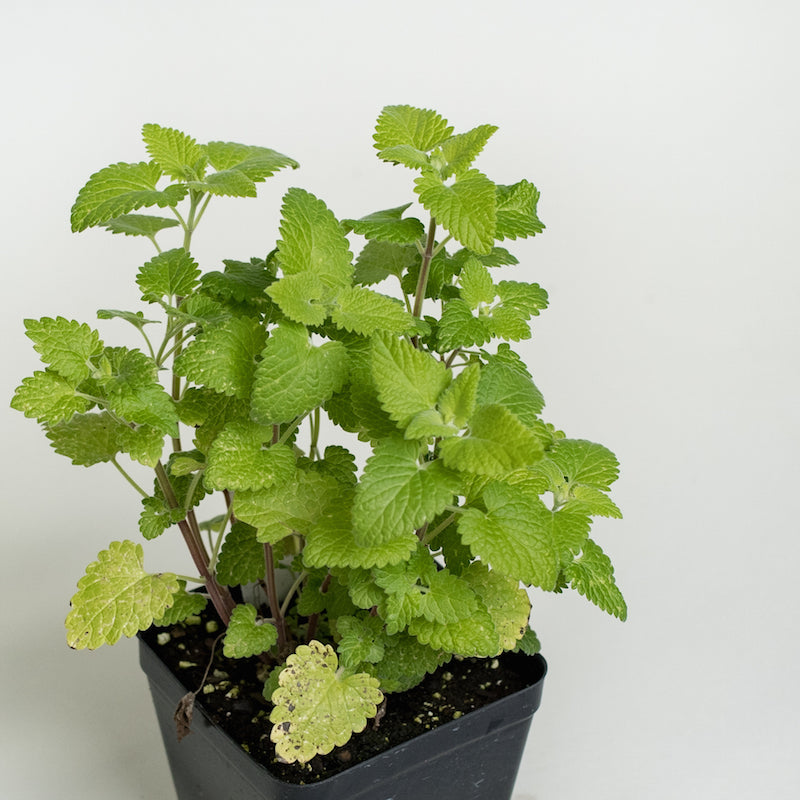
Order catnip plant online
The joy it brings them is unparalleled, and for us, the knowledge that we can provide this simple, natural pleasure is deeply satisfying. This is precisely why more and more people are choosing to order catnip plants online and cultivate them at home. It’s a convenient, costeffective, and deeply enriching way to ensure your feline companions always have access to the freshest, most potent Nepeta cataria.
I do, however, recognize that the process can seem a bit daunting. Where do you even begin? What kind of plant should you get? How do you keep it alive? From my personal experience, I have found that with the right guidance, anyone can successfully grow this delightful herb. It’s not just about the transaction of buying a plant; it's about understanding the entire lifecycle of Nepeta cataria, from its humble beginnings as a tiny transplant to its full, fragrant glory.
I recommend that you view this not just as a purchase, but as an investment in your cat's wellbeing and your own gardening skills. We are going to embark on a journey together, and I will be your guide, providing you with all the information you need to become a successful catnip cultivator. We'll explore everything from the science behind why cats love catnip to the practical, stepbystep instructions for planting and maintenance.
Why Choose to Order Catnip Plants Online?
There are numerous benefits to ordering catnip plants online rather than simply buying dried catnip from a pet store. We have discovered that the quality and potency of live plants far surpass that of their dried counterparts.
The Unrivaled Freshness and Potency of Live Catnip
When we order live catnip plants, we are guaranteed a level of freshness that is simply unattainable with prepackaged products. The active compound in catnip, nepetalactone, is a volatile organic compound. This means it evaporates over time, especially when exposed to air and light, as is the case with most dried catnip. A live plant, on the other hand, constantly produces and holds this potent substance in its leaves and stems, ready to be released with a simple touch or crush.
From our observations, a cat’s reaction to fresh catnip is often more intense and longerlasting than to dried catnip. The aroma is richer, the effects more pronounced. This isn't just about a onetime high; it's about providing a stimulating and enriching experience for your pet that can aid in training, reduce anxiety, and promote playful behavior.
A Continuous and Sustainable Supply
Once we have a thriving catnip plant, we are no longer at the mercy of store inventory or product availability. We have a continuous and sustainable supply of fresh catnip at our fingertips. Catnip is a perennial herb, which means it will return year after year. With proper care and occasional harvesting, a single plant can provide a steady stream of fresh leaves for months on end.
The Added Benefits of Home Cultivation
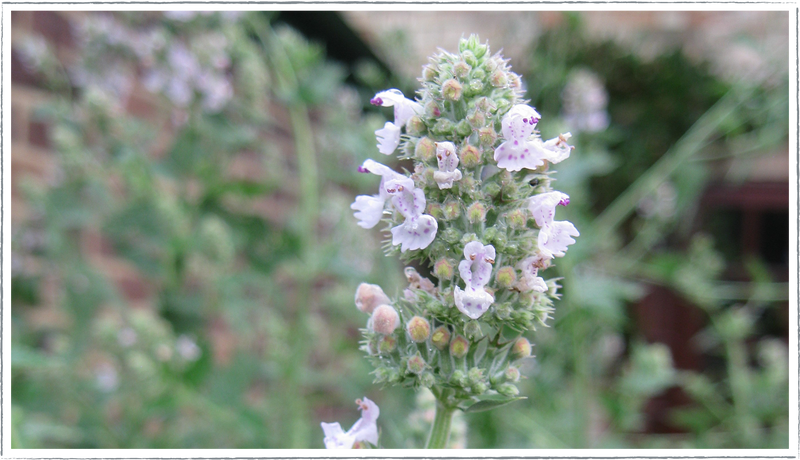
Cultivating a plant at home provides more than just a source of cat treats. From a human perspective, we find the act of gardening to be incredibly therapeutic. Tending to a living plant, watching it grow, and being able to share its bounty with a beloved pet is a deeply fulfilling experience. Moreover, a catnip plant is a beautiful and fragrant addition to any garden or windowsill, attracting beneficial pollinators like bees and butterflies, while naturally deterring some common garden pests. We have found that the aromatic oils in the plant act as a natural repellent against insects like aphids and squash bugs, making it an excellent companion plant for a vegetable garden.
Choosing the Right Catnip Plant to Order Online
The world of online nurseries is vast, and we know that it can be difficult to discern a highquality vendor from a less reputable one. To help you make the best decision, we have compiled a list of key factors to consider when you buy a catnip plant online.
Reputable Online Nurseries and Vendors
The first and most critical step is to choose a vendor with a solid reputation. We recommend that you look for nurseries that specialize in herbs or have a dedicated edible plant section. These vendors are more likely to have a deep understanding of the plants they sell and will provide healthier specimens. From our research, we have identified several characteristics of a great online nursery:
Positive Customer Reviews: Look for reviews that specifically mention the quality of the plants upon arrival, the health of the root system, and the overall customer service experience.
Clear Shipping Policies: A good nursery will have transparent shipping information, including details on how they package and protect the plants during transit.
Detailed Plant Descriptions: The product page should provide comprehensive information about the plant, including its scientific name (Nepeta cataria), growing zone compatibility, light and water requirements, and mature size.
Satisfaction Guarantees: A vendor that stands by the quality of its plants will often offer a return or replacement policy if the plant arrives damaged or unhealthy.
Understanding Catnip Varieties
While "Nepeta cataria" is the most common form of catnip, there are other species and cultivars of Nepeta that are often referred to as "catmint." While all of them contain nepetalactone, some are more potent or have different growing habits. We have found that it's crucial to know what you're buying.
Nepeta cataria (Common Catnip): This is the classic catnip plant known for its powerful effect on felines. It typically grows into a bushy, mounding perennial with graygreen leaves and small, white to lavender flowers. This is the variety we primarily recommend for cat owners who want the strongest possible effect.
Nepeta faassenii (Catmint): While often called "catnip," this is a different species. It's more commonly used as an ornamental plant in landscaping due to its beautiful, longlasting lavenderblue blooms. While cats may still be attracted to it, the nepetalactone content is generally lower than in Nepeta cataria.
Nepeta mussinii (Persian Catnip): Another variety of catmint, this one is known for its dense, lowgrowing habit and fragrant, purplishblue flowers. It is also less potent for cats but is an excellent choice for garden borders or rock gardens.
When you are ready to order catnip plant online, we strongly suggest doublechecking the botanical name to ensure you're getting the right species. The difference can be significant in terms of your cat's reaction.
A StepbyStep Guide to Planting and Caring for Your New Catnip Plant
Once your carefully packaged plant arrives, the real fun begins. From our experience, the first few days and weeks are the most crucial for ensuring your plant thrives. We are going to walk you through the entire process, providing detailed instructions to guarantee your success.
Acclimation and Initial Care
Your new plant has just been on a journey. It's been in a box, likely in low light and with varying temperatures. We have found that a period of acclimation is essential to prevent shock.
Unboxing and Inspection: As soon as your package arrives, carefully unbox the plant. Inspect it for any signs of damage, such as broken stems or yellowing leaves. Take photos if there are any issues and contact the vendor immediately if necessary. We have found that most reputable vendors are very responsive to this.
Hydration: The plant's soil may be dry from transit. Gently water it, but do not saturate it. We recommend a thorough but not excessive watering.
Find a Spot: Place the plant in a location with indirect, bright light. Do not place it in direct, harsh sun right away, as this can scorch the leaves. Over the next week, we do suggest gradually increasing its exposure to light.

Planting Your Catnip Plant
Catnip is a member of the mint family, and as such, it can be quite a vigorous grower and may spread. We have found that this characteristic can be both a blessing and a curse. Therefore, we recommend you consider your planting location carefully.
Container Planting for Indoor and Outdoor Use
For most cat owners, container planting is the ideal solution. It allows you to control the plant's spread and easily move it to a safe location if your cat becomes too enthusiastic.
Choose the Right Pot: We have found that a pot with excellent drainage is nonnegotiable. Catnip hates "wet feet," and root rot is a common cause of failure. A terracotta pot is an excellent choice as it wicks away excess moisture.
Soil Selection: We recommend using a highquality, welldraining potting mix. A standard potting mix is fine, but you can improve drainage by adding perlite or sand. From my experience, catnip is not particularly fussy about soil pH and can thrive in a range from slightly acidic to slightly alkaline.
The Planting Process: Gently remove the plant from its nursery pot, being careful not to disturb the root ball too much. Place it in the new pot, fill around it with soil, and tamp it down lightly. Water it in thoroughly to settle the soil.
InGround Planting (With Caution)
If you have a dedicated garden space and are prepared for a potential spread, you can plant your catnip in the ground.
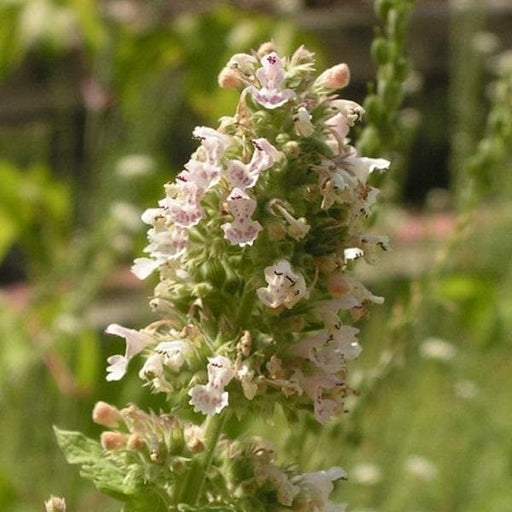
Site Selection: We have discovered that catnip thrives in a location that receives full sun to partial shade. In warmer climates, some afternoon shade is beneficial. The soil should be welldrained.
Containment: To prevent the plant from taking over your garden, we recommend planting it in a pot with the bottom cut out and then burying the entire pot in the ground. This provides a physical barrier for the roots and contains its spread. Another option is to create a dedicated raised bed for it.
Ongoing Care and Maintenance
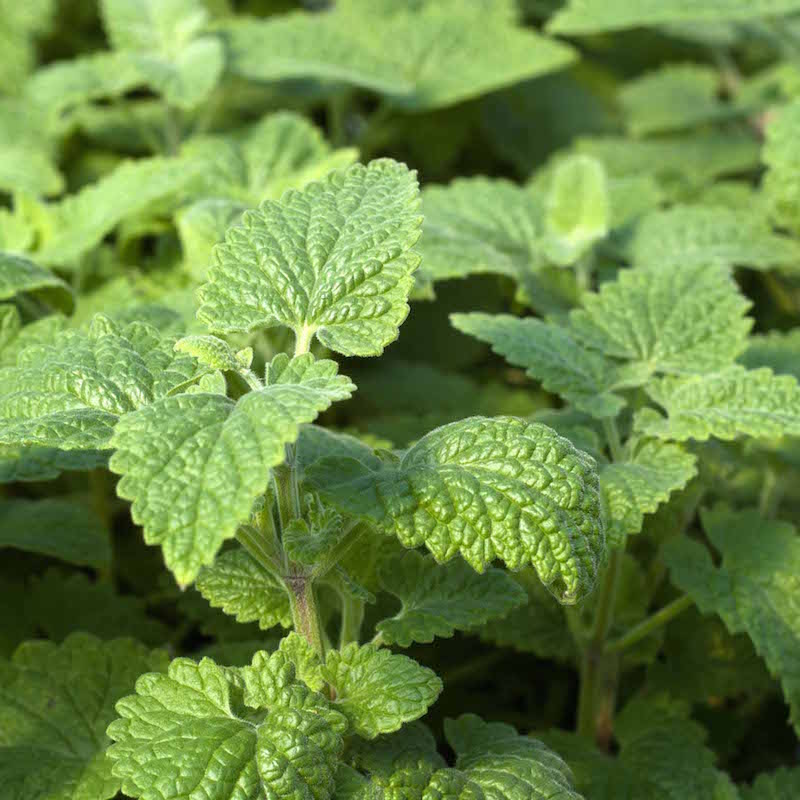
Once your plant is established, it requires minimal but consistent care. We have found that consistency is key to a longlasting, productive plant.
Watering: Water your plant when the top inch of soil feels dry to the touch. It is droughttolerant once established but performs best with regular, deep watering. Overwatering is the number one mistake we see in catnip care.
Fertilizing: Catnip is not a heavy feeder. We recommend that you mix a small amount of compost or a balanced, slowrelease fertilizer into the soil at the time of planting. After that, additional feeding is rarely necessary.
Pruning and Harvesting: Regular trimming is essential to encourage bushy growth and prevent the plant from becoming leggy. We have found that harvesting leaves and stems can be done at any time. Cut the stems just above a leaf node to promote new growth. This not only provides a fresh supply of catnip but also keeps your plant looking its best.
Harnessing the Power of Catnip: From Harvest to Happy Cat
Now that you know how to order catnip plant online and grow it, we are going to teach you how to properly harvest and use it to maximize its effect on your feline friend.
The Art of Harvesting Catnip
From our experience, the best time to harvest catnip is just before it flowers, when the leaves are at their most potent. However, you can harvest it at any time.
Fresh Catnip: The easiest way to use catnip is to simply pluck a few leaves and crush them between your fingers to release the oils. Present them to your cat, or rub them on a favorite toy or scratching post.
Drying Catnip for Storage: If you have an abundant harvest, we recommend drying the leaves for future use. The process is simple and ensures you have a supply yearround.
Preparation: Harvest the stems in the morning after the dew has dried but before the sun is too hot.
Drying: Tie the stems together in a small bunch and hang them in a cool, dry, and dark location with good air circulation. You can also lay the leaves out on a mesh screen or a paper towellined tray. Avoid direct sunlight, as it can degrade the nepetalactone.
Storage: Once the leaves are completely dry and brittle, you can crumble them and store them in an airtight container, such as a glass jar. We have found that the fragrance and potency remain strong for a long time when stored this way.
Creative Ways to Use Your Homegrown Catnip
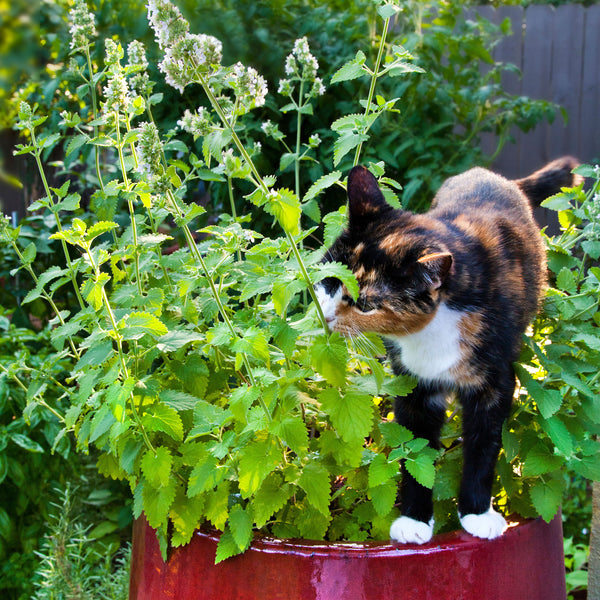
Beyond the standard sprinkle, we have found countless ways to use fresh and dried catnip to enrich your cat's life.
Catnip Tea (for humans): Before catnip was famous for its effect on felines, it was a popular medicinal herb for humans. Catnip tea has a calming, soothing effect and can aid in sleep and digestion.
DIY Catnip Toys: From my experience, there is nothing a cat loves more than a toy filled with fresh, potent catnip. You can make simple toys by stuffing old socks or small fabric pouches with dried leaves.
Training Aids: We do use catnip as a positive reinforcement tool. Rubbing it on a new scratching post can encourage your cat to use it instead of your furniture. It can also be used to help a shy cat feel more comfortable in a new environment.
Enrichment for Indoor Cats: For indoor cats, we have found that a little catnip can be a wonderful form of mental and physical enrichment. It can alleviate boredom and encourage exercise, which is crucial for their health and happiness.
Troubleshooting Common Catnip Plant Problems
While catnip is a hardy and resilient plant, we know that problems can arise. We have seen these issues firsthand, and we want to provide you with the solutions to keep your plant thriving.
Overwatering and Root Rot
As we have mentioned, this is the most common issue we see. The symptoms include yellowing leaves and a general droopy, unhealthy appearance.
The Fix: If you suspect overwatering, allow the soil to dry out completely before you water it again. We recommend you check the soil moisture with your finger before each watering. If the problem persists, you may need to repot the plant in fresh, welldraining soil.
Leggy or Sparse Growth
If your plant is growing tall and spindly with few leaves, it's likely not getting enough light.
The Fix: We do suggest moving your plant to a sunnier location. If you are growing it indoors, you may need to supplement with a grow light. Additionally, regular pruning will encourage it to grow bushier and more compact.
Pests
While catnip is known to repel some pests, we have seen that it is not immune to them. The most common pests are aphids and spider mites.
The Fix: We recommend a simple, organic solution. Mix a few drops of dish soap in a spray bottle with water and spray the plant's leaves, focusing on the undersides. This will suffocate the pests. Repeat every few days until they are gone. Another option is to use a strong jet of water to knock them off the plant.
In conclusion, the decision to order a catnip plant online is the first step toward a rewarding and delightful journey. We believe that with the right knowledge and a little bit of care, you can successfully cultivate a thriving plant that will provide endless joy and enrichment for your beloved cat. From our experience, the connection you forge with your pet through this simple act of cultivation is truly special. I recommend that you begin this journey today, and we are confident that you will find it to be one of the most fulfilling experiences you can have as a pet owner and gardener.


Comments
Post a Comment